
CS2 skins are more than pretty textures. They are tiny investments, personal statements, and sometimes collectible trophies. Whether you want a subtle cape on your favorite hero, a flashy Arcana that redraws animations, or a courier that makes your friend laugh, cosmetics let you stamp your personality onto the game. This article walks through what Dota cosmetics are, how rarities and markets shape value, the realistic ways to get items, and the safety rules you should follow if you plan to buy, trade, or collect.
What Dota 2 cosmetics are and what they change
At their simplest, cosmetics change aesthetics. You can equip sets or individual pieces that alter a hero’s weapon, armor, or cape; change particle effects; and sometimes modify voice lines and animations. Beyond heroes there are couriers (those little companions that deliver items), wards, HUDs, announcer packs, loading screens, and even terrain. Some items are just visual flourishes. Others—like Arcana-tier cosmetics—can overhaul a hero’s model, add unique particle effects, or unlock alternate styles that show off progress.
Categories of cosmetics (short guide)
- Hero items and sets: The most common cosmetics—pieces or full outfits for a specific hero.
- Immortals and Arcana: High-tier items with unique effects or full visual redesigns.
- Couriers and mounts: Collectible companions that fly or run on the map.
- Wards and HUDs: Small changes that affect gameplay visuals without changing heroes.
- Announcers and loading screens: Cosmetic flourishes that personalize matches.
Each category carries different demand. Hero sets are plentiful and cheap. Arcanas are rare and attract collectors. Couriers and certain Immortals can spike in price because they’re limited or tied to event releases.
Rarity tiers and what they mean
Dota 2 uses a familiar rarity ladder—Common, Uncommon, Rare, Mythical, Legendary, Ancient, Immortal, and Arcana—each step generally indicates scarcity and potential value. “Immortal” items often include special particle effects or unusual visuals; “Arcana” is a premium tier that can alter a hero’s entire presentation and sometimes adds alternate styles that change as you earn game achievements. Rarity matters to collectors and traders because the fewer copies in circulation, the more likely an item will retain or increase its market value.
How to get cosmetics — a practical comparison
| Method | Typical Cost | Speed | Risk | Typical Rarity | Tip |
|---|---|---|---|---|---|
| In-game drops | Free | Slow | Low | Common–Rare | Play regularly; drops rotate with patches and events. |
| Treasure/Chest openings | Variable (key or purchase) | Immediate | Medium | Rare–Immortal | Expect randomness; weigh cost vs. odds. |
| Steam Community Market | Real money (Steam Wallet) | Immediate purchase | Low–Medium | All | Use market history to judge fair price. |
| Player trading | Varies (item or negotiated cash off-platform) | Fast | Medium–High | All | Confirm item details and use trade confirmations. |
| Event rewards / Battle Pass | Purchase of Battle Pass or participation | Seasonal | Low | Uncommon–Immortal | Often the only way to get limited items. |
| Third-party marketplaces | Real money | Fast | High | All | High risk—verify reputation and payment safety. |
Putting money on the table is the fastest route to specific items, but it also attracts scams. Trading with other players can be cheaper but demands attention to detail: item names, inscriptions, and whether an item is marketable or tradable are crucial. Event and Battle Pass rewards are reliable if you want something exclusive, but they require time or an upfront purchase.
How the market and prices move
The Dota economy lives on supply and demand like any other collectible space. A hero’s popularity spikes after a patch buff, and cosmetics for that hero often follow. Items tied to major events—especially The International—tend to be more valuable: those treasures are printed in limited quantities and often include high-rarity drops. Time-limited items and event-exclusive skins maintain higher prices because they can’t be reproduced ad infinitum. Conversely, re-releases, promotions, or a huge supply can depress prices quickly.
Keep an eye on market signals before buying: historical price charts on sites that track Steam Market listings give a sense of volatility. If a cosmetic’s price has been stable for months, it’s less speculative than a newly hyped release. And remember that real-world events—such as changes to Valve’s item policies—can alter liquidity overnight. For collectors expecting long-term value, scarcity and uniqueness are stronger predictors than momentary popularity.
Safety first: trading and buying rules
Scams are the most common hazard CSGORUN. The bad actors use counterfeit trade offers, fake store fronts, or pressure tactics to rush trades. Protect yourself with these habits: always use Steam’s trade window (not screenshots); confirm item details in the trade interface; use Steam Guard Mobile Authenticator for trade confirmations; never give out your Steam password or login code; and avoid trading through external chat links. If a deal looks too good to be true, it probably is.
- Enable Steam Guard Mobile Authenticator.
- Check item market history and inspect directly in Steam before accepting offers.
- Don’t accept trades that include a “middleman”; middleman scams are widespread.
- Avoid third-party sites unless they have strong, verifiable reputations and secure payment methods.
- Be cautious with trade links; they can bypass the usual confirmations.
Third-party marketplaces and legality
Third-party sites can offer lower prices or currency conversion options that Steam doesn’t. But they also remove you from Valve’s protections. Some sites run escrow services and have reputations to protect; others are thinly regulated and may not honor disputes. Another concern is gambling: trading skins for betting is common in unofficial sites and carries legal and ethical risks. Many regions have cracked down on skin gambling in recent years, and Valve took steps to restrict API access for gambling sites. If you use third-party services, research their reputation, terms, and whether they are compliant with local law.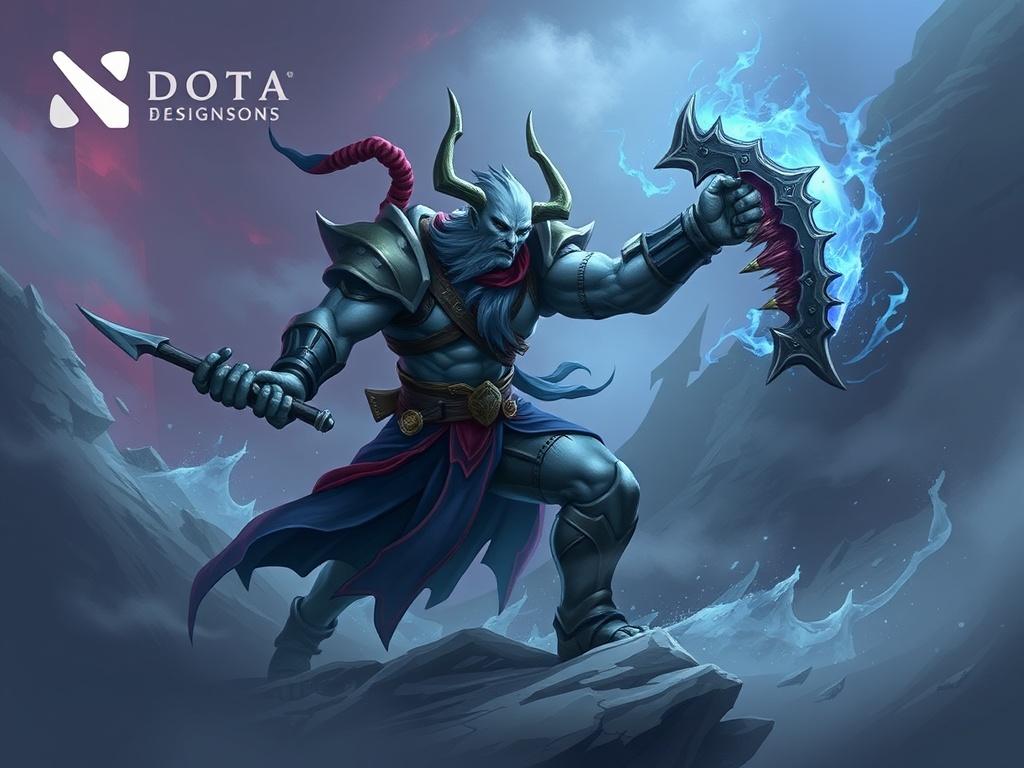
Practical tips for buying and collecting
Be selective. Chase a theme—favorite heroes, a color palette, or a certain item type—and you’ll build a cohesive collection rather than a random assortment. Price patience pays: set price alerts, buy during off-peak hours, and watch for market dips after major patch cycles. Document what you own; catalogs on spreadsheet or dedicated collection tools prevent duplicate purchases and clarify what you still want.
- Set alerts and track price histories rather than buying impulsively.
- Prioritize items tied to heroes you actually play—so you enjoy them regularly.
- Decide if you collect for enjoyment or resale; strategies differ.
- Consider “inscriptions” and tags that add a personal touch (e.g., autographs) but can affect resale.
- Use the Steam Market for transparency: it’s slower to cash out, but it’s the cleanest route.
How to equip and use your items in-game
Equipping cosmetics is straightforward: open your inventory in the Dota client, choose a hero, and assign pieces in the loadout. Many items include alternate styles that unlock after certain in-game achievements or levels. Immortals and Arcanas often have special preview animations in the item panel so you can inspect particle effects and model changes before equipping. Remember that some items are set pieces and only appear when all set parts are used together, while others can be mixed and matched.
Troubleshooting common issues
Sometimes a purchased item won’t appear or shows as “not marketable” or “not tradable.” That usually means the item has a temporary restriction or lacks market eligibility. Other times you’ll see duplicates due to interface quirks; a quick Steam inventory refresh or restarting the client resolves most display problems. If you suspect a fraudulent transaction or missing item after a trade, gather screenshots and trade IDs and contact Steam Support—don’t escalate publicly or engage with the other party further. Steam Support responses can take time, so document everything and be patient.
Community culture and the emotional side of collecting
Collecting cosmetics is social. Some players buy items to support chest creators and couriers made by artists they like. Others equate rare items with status in certain communities. That social dimension can be a positive motivator—supporting creators or celebrating a tournament. But it can also push people into buying beyond their means when collective hype peaks. Keep collection goals personal: does an item make you happy playing the game? If so, the purchase has real value beyond market fluctuations.
Conclusion
Dota 2 cosmetics are a blend of art, vanity, and marketplace dynamics. They can enhance the way you experience the game, offer collectible pleasure, and sometimes hold monetary value—but only if you approach them informed and cautious. Understand the rarity system, use trusted marketplaces, enable strong account security, and decide whether you collect for play or profit. With patience and a few safety practices, you can build a collection that fits your style and keeps your account—and your wallet—safe.