
Landing at Westchester County Airport (HPN) is a relief: smaller crowds, quicker exits, and a short hop to towns across Westchester, Connecticut, and northern New Jersey. But the smoothest trip depends on one thing most visitors underestimate — the westchester county airport car rental. In this guide I’ll walk you through everything that matters: where to find rental companies at HPN, how to book intelligently, which car makes sense for local roads, how tolls and insurance work, and the little bits of local knowledge that save time and money. Read on and you’ll leave the curb with confidence instead of a stack of surprise charges.
Why rent at Westchester County Airport?
Westchester County Airport is convenient for business travelers, short leisure trips, and weekenders heading to the Hudson Valley or Connecticut shoreline. Compared with larger airports, HPN often means faster lines at security and baggage claim, which makes a quick rental pickup especially appealing. If your plans include suburban meetings, visits to local parks, or a drive into Manhattan or the Gold Coast, a car offers flexibility that trains and taxis can’t match.
Where to find rental companies and counters
Airport layout and counters
Rental counters at Westchester County Airport are generally in or very near the terminal. Major national brands typically maintain desks, while some regional and local companies may operate off-site with a short shuttle. Because airport facilities and vendor locations can change, check the airport’s official website or your confirmation email for the exact pick-up point before you travel.
Typical agencies you’ll encounter
You’ll frequently find major companies such as Avis, Budget, Enterprise, Hertz, and National at or around HPN. Independent and specialty rental services may also be available, especially for luxury or longer-term needs. If you have a preferred loyalty program or corporate rate, verify that your chosen brand serves the airport directly to avoid an unexpected off-site pickup.
How to book: timing, deals, and mistakes to avoid
Booking early usually wins you both lower base rates and more vehicle choices. Weekends and holidays around New York events can push demand up, so secure your reservation as soon as dates are firm. Don’t rely solely on the cheapest search result: compare total cost, including taxes, airport surcharges, and mandatory fees.
- Book at least 7–14 days in advance for weekend trips and peak seasons.
- Check discount codes, membership perks (AAA, AARP, credit card benefits), and corporate rates.
- Confirm whether the quoted rate is refundable, prepay-required, or subject to change.
Avoid the common trap of ignoring pick-up and drop-off windows. Many counters have limited staffing after late-night arrivals; if your flight is delayed, call the agency. Also check whether the agency enforces an age surcharge — young drivers (usually under 25) often pay extra.
Choosing the right vehicle
Pick a car that fits how you’ll drive. If you’re doing short hops around White Plains and Yonkers, a compact saves on fuel and parking. If you’re heading north into the Hudson Valley with family luggage, an SUV or a midsize sedan gives space and comfort. If you plan a Manhattan drop-off, remember that parking and narrow streets change the calculus: smaller can be smarter.
| Vehicle type | Best for | Pros | Cons |
|---|---|---|---|
| Compact | City driving, solo travelers | Fuel-efficient, easy parking | Limited luggage space |
| Midsize sedan | Business trips, couples | Comfortable, balanced economy | Not ideal for bulky gear |
| SUV / Crossover | Families, rural roads | More cargo, higher seating | Worse fuel economy, larger footprint |
| Luxury / Specialty | Client impressions, special occasions | Comfort, features | High cost, attention in city parking |
Extras to consider
Decide in advance whether you need GPS (most people rely on their phone maps), child seats (New York has specific child-restraint laws that make seats a must for young children), and ski racks or roof boxes in winter. Requesting add-ons at booking is easier than arranging them at the counter.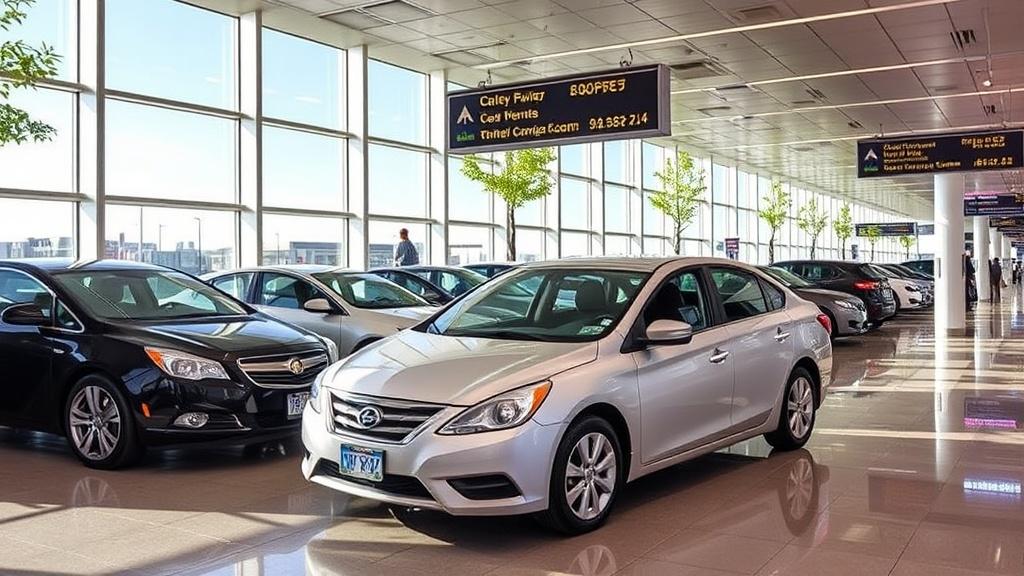
Understanding insurance, coverage, and credit card benefits
The insurance section on the rental form is where confusion and extra charges cluster. Before you accept any coverage, check what your personal auto policy covers for rentals and whether your credit card offers collision damage waiver (CDW) or secondary coverage. Many premium cards include CDW if you pay for the rental with the card and decline the agency’s CDW, which can save a lot, but read the card’s terms carefully — exclusions for certain vehicle types or countries exist.
- Primary CDW from your credit card can be the best value. Confirm details in writing.
- Liability insurance limits from the rental are often minimal; your personal policy or a supplemental policy can bridge the gap.
- Personal Accident Insurance and personal effects coverage are often redundant if you have health insurance and homeowners/renters coverage.
If you’re unsure, call your insurance agent and card company before traveling. It’s less painful than arguing at the return desk while running late for a meeting.
Tolls, E-ZPass, and driving costs in the region
Tolls matter here. Westchester sits among several busy corridors — I-287, the Tappan Zee/Throgs Neck bridges, and approaches to New York City — where tolls add up. Many rental agencies offer E-ZPass transponders for an additional daily fee plus the tolls themselves. That can be convenient and faster, but it sometimes carries a service charge on top of tolls. If you have your own E-ZPass, check the agency’s policy about using a personal transponder; some won’t permit it while others will allow it for a small fee.
Plan routes ahead to avoid surprise tolls, and consider satellite navigation that displays toll routes. Remember that bridge and tunnel booths can be cashless; having a transponder or a credit card that supports tolls is useful.
Pickup, inspection, and fueling tips
When you arrive at the rental counter, have your driver’s license, credit card, and confirmation number ready. Inspect the car thoroughly with the attendant: note scratches, dents, windshield chips, and interior wear. If the company provides a damage checklist or photos, request them. Take your own timestamped photos as backup. Doing this right avoids contentious charges later.
- Refuel policy: full-to-full is usually the cheapest. Prepaying for fuel rarely works out unless you’re sure you’ll return empty.
- Check for any dashboard warning lights and report them immediately.
- Ask about mileage limits if you plan a long trip; some rates include unlimited miles while others impose caps.
Returns, after-hours drop-off, and one-way rentals
Returning a car at HPN is usually straightforward, but timing matters. Allow extra time if you’re dropping the vehicle before a flight: baggage lines and shuttle connections can be unpredictable. If you need an after-hours drop, confirm whether the agency accepts keys in a secure drop box and whether an inspection will be completed later — keep your own photo evidence.
One-way rentals (dropping the car at a different location) are possible but often expensive for short distances. If your trip crosses state lines or ends in Manhattan, compare the one-way fee with alternatives like returning to HPN and taking a train or private transfer to your final destination.
Driving around Westchester and into New York City
Westchester County roads range from leafy two-lane country routes to fast multilane parkways and interstates. Parkways often prohibit commercial vehicles and large trucks, and some — like the Bronx River Parkway — have low clearances for taller SUVs or vans. If you plan to enter Manhattan, consider a smaller car for parking and tighter streets, and be ready for heavier traffic. Peak commute times can make a short trip take much longer, so schedule accordingly.
Parking rules vary dramatically: metered streets, municipal lots, residential permit zones, and private garages each have distinct rules and prices. If you’ll be parking in New York City, research garage rates in advance or use apps that show real-time availability and pricing.
Practical checklist before you finish booking
- Confirm the rental location and hours on the airport’s website and with the agency.
- Verify what your credit card will and won’t cover for collision and liability.
- Choose vehicle class based on luggage, passengers, and parking needs.
- Decide on E-ZPass or toll payment method and check the agency’s service fees.
- Take timestamped photos at pickup and before return; keep all receipts and paperwork.
- Understand fuel policy and any mileage limits or one-way fees.
Quick reference table: documents and essentials
| Item | Why it matters |
|---|---|
| Driver’s license | Primary ID; must be valid and not expired |
| Credit card | Most agencies require a card for deposit and charges |
| Rental confirmation | Speeds up pickup and ensures reserved vehicle class |
| Insurance info / card | To verify coverage and avoid redundant purchases |
| Phone + charger | Navigation and contact with agency if plans change |
Making the most of your rental experience
The little choices make big differences: choosing off-peak pickup times, bringing your own child seat, and knowing the fuel policy are small steps that cut stress and cost. If you cultivate a relationship with one brand and use it frequently, that loyalty often brings faster service, upgrade offers, and reduced paperwork. And one final bit of traveler wisdom: the fastest route on paper is not always the fastest in practice. Allow for traffic, check real-time conditions, and enjoy the scenery—Westchester and the Hudson Valley repay a slow, attentive drive.
Conclusion
Renting a car at Westchester County Airport can be straightforward and economical if you prepare: book early, read the fine print on insurance and tolls, choose the right vehicle for your itinerary, and document the car condition at pickup and return. Knowing the local roads, parking realities, and how agencies handle E-ZPass and after-hours returns saves both time and money. With a little planning, your rental will be the best kind of travel tool — one that disappears into the background while you enjoy the trip.